
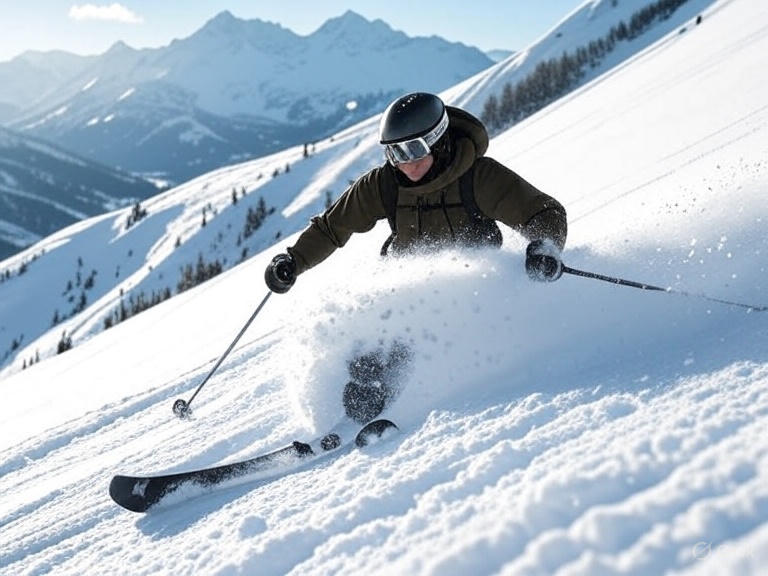
Skiing is an exhilarating sport, offering breathtaking views and thrilling speeds. However, amidst the excitement, it's easy to overlook some important safety rules. In this post, we will uncover the 7 most overlooked ski safety rules and explore how they can not only prevent accidents but also enhance your overall skiing experience.
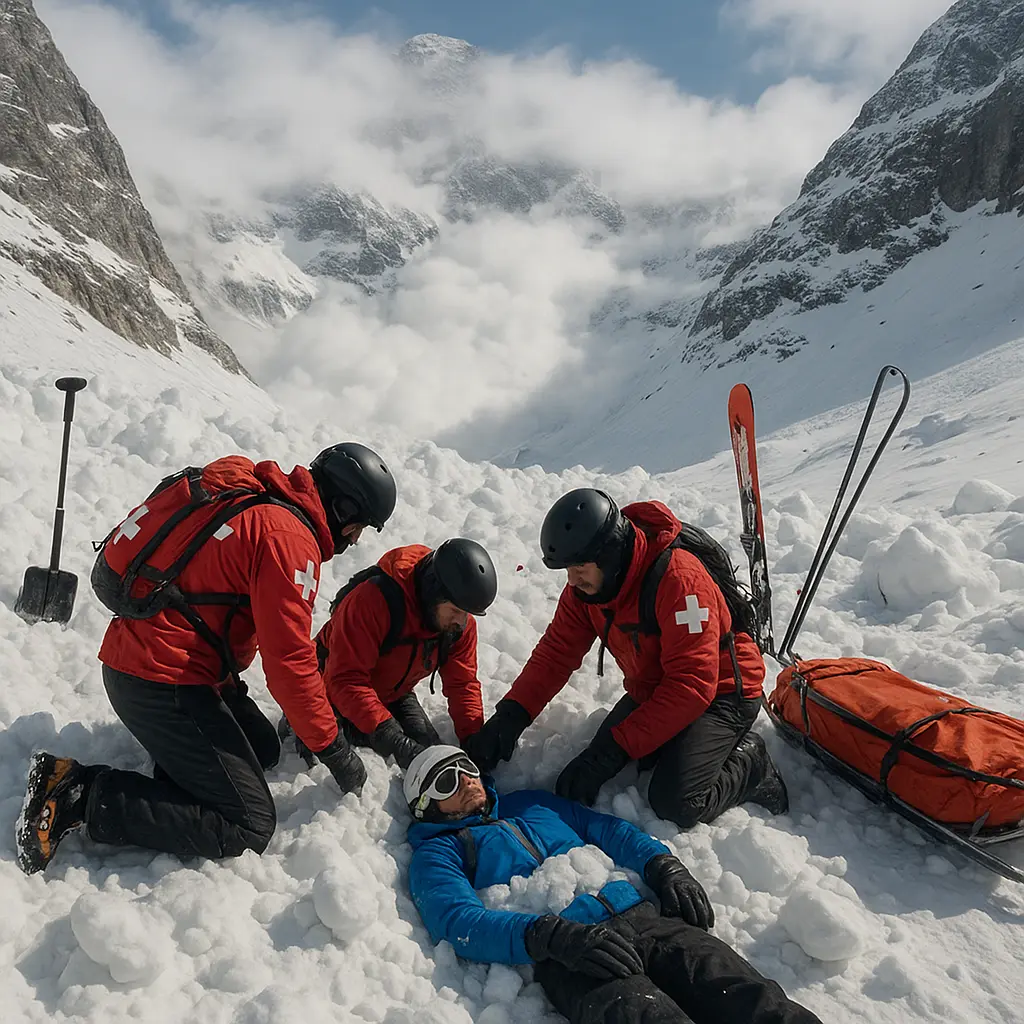
Understanding the Importance of Visibility on the Slopes
Clear visibility on the slopes is not just about having a scenic view; it's a quintessential factor in ensuring your safety as well as that of others. In the mountains, weather conditions can change rapidly, making it crucial for skiers to be prepared. Whether it's snowflakes, fog, or blinding sunlight, each can obscure your vision, which might lead to debilitating accidents. High-quality goggles with anti-fog lenses can dramatically enhance your skiing experience, allowing you to ski with confidence and ease. Ensuring proper goggle fit and function should be a priority before hitting the slopes.
Visibility also goes beyond your own sight—it includes being visible to other skiers. Wearing brightly colored or reflective gear can help you stand out against the snowy backdrop and avoid collisions. When the weather turns, knowing where you're going and following marked trails is critically important. This helps protect you from getting disoriented and ending up in risky areas where skiing becomes unpredictable. Moreover, adopting a habit of frequently checking your environment can make managing your path and interactions with other skiers much more intuitive.
The Role of Stretching and Warm-ups in Injury Prevention
Just as you would stretch before a run, warming up your muscles is essential before skiing. Cold muscles are more prone to injuries such as strains and tears. A simple routine that includes dynamic stretches focusing on your legs, core, and arms can stimulate your blood flow and ready your body for the physical demands of skiing. Incorporating lunges, leg swings, and light jogging are highly beneficial for ski preparation. Not only do these movements prepare your body, but they also afford you time to mentally prepare for the day ahead, ensuring a focus on appropriate technique and mindful skiing.
It's easy to get swept up in the anticipation of skiing, but taking just ten minutes to perform a basic warm-up can set the tone for your skiing performance. These exercises can also mitigate the impact stresses on your joints. Most importantly, they reduce fatigue, thereby helping you stay alert and capable throughout your ski session. It’s about turning your warm-up routine into a consistent practice each time you visit the slopes, thus ensuring longevity in your skiing endeavours without the burden of injuries that could be easily avoided.
Proper Gear Maintenance: A Trusty Companion
Imagine racing down the slopes only to realize that your skis aren't performing as expected—it's a downright eliminatory sensation. This is why keeping your gear in tip-top condition is a non-negotiable component of ski safety. Regular maintenance, including checking for loosened bindings, applying wax to the skis, and inspecting them for cracks, can prevent potential mishaps. Well-maintained gear enhances your control and connection to the snow, allowing for swift, seamless movements. It’s worthwhile to learn some basic maintenance tips, ensuring that your equipment functions flawlessly, even under rigorous conditions.
While some may brush off gear upkeep as unnecessary or tedious, it's genuinely a fundamental aspect of the skiing experience. The significance extends beyond safety; reliable equipment contributes greatly to your skiing efficiency and enjoyment. A prematurely clipped day due to gear failure can be remarkably disheartening, but more importantly, can put you at risk. Taking time to familiarize yourself with the gear you use allows you to react better in unforeseen circumstances, ensuring your equipment acts as a reliable companion, seamlessly supporting you in every glide and turn.
Why Knowing the Weather Forecast is Non-negotiable
Checking the weather before heading out is perhaps the simplest yet most crucial step in your skiing preparation. Weather determines everything from what you wear to the terrain you might encounter. For instance, freshly fallen snow can be enticing, yet it also raises the risk of avalanches in some regions. A clear understanding of the forecast enables you to pack essential gear, like thicker jackets or additional layers. This knowledge also helps you decide whether it’s a good day for skiing or if it might be safer to wait, particularly when severe weather or low visibility is expected. Having access to real-time forecasts via mobile apps or websites can be your best guide in such situations.
The Necessity of Helmet Usage
Helmets have become as synonymous with skiing as the skis themselves. In an activity replete with speed and potential impact, protecting your head is paramount. Despite their perceived annoyance or constriction, helmets significantly reduce the risk of head injuries and give you one less instinctive thing to worry about while skiing. Selecting a helmet with proper fitting and sufficient ventilation makes them comfortable and, over time, practically unnoticeable. Their importance cannot be understated, not just for personal safety, but for ensuring you lead by example—especially for younger or less experienced skiers. Wearing a helmet is a habit worth adopting, ensuring you can ski with the peace of mind that your head is protected.
Respecting the Ski Area Boundaries
Skiing beyond marked boundaries can seem like an exhilarating adventure, but it comes with high risks. Resort boundaries and signage are meticulously delineated for skiers’ safety. Venturing into unmarked areas can expose you to unstable snowpacks or unexpected terrain. Opt for exploring within designated trails that offer ample excitement without unintended risks. Remember that these boundaries exist not only for the safety of skiers but also to protect wildlife and preserve the environment. Observing these designated trail boundaries assures sustainable skiing experiences for everyone and keeps the pristine landscape intact for future enjoyment.
Being Mindful of Other Skiers Around You
Skiing is a shared thrill, a bustling interaction of spirits descending on a snow-clad slope—an experience made better by mutual respect. It's crucial to maintain a peripheral awareness to anticipate the actions of others. A sudden veer by a skier in front can lead to unnecessary collisions if your attention is elsewhere. Practicing good skiing etiquette involves giving way to skiers below you, avoiding abrupt stops in the middle of a trail, and using designated areas for rests. Understanding and following proper ski etiquette fosters harmony and makes sharing the slopes a more enjoyable experience for everyone.
Sometimes, the slopes can become overwhelmingly busy, making communication vital—pointing out your intentions with simple hand gestures when overtaking or turning can provide clarity to others. Besides, look out for those less experienced; it fosters a sense of community that enriches the sport. No skier is in it alone, and acknowledging this interdependence by being courteous and attentive ensures a remarkable experience for everyone involved. Remembering that skiing is not just about your thrill but about shared enjoyment can transform a run down the mountain into an event of collective exhilaration.
Making the Most of Your Ski Adventure: Safety Comes First
By paying attention to these often overlooked ski safety rules, you can ensure a smoother, safer skiing experience. Whether you're a seasoned pro or hitting the slopes for the first time, these tips can make all the difference in ensuring you have an enjoyable day full of fun and free of mishaps. So, gear up, be mindful, and embrace the snow with confidence! For more guidance and advice, visit our homepage.
Share:
Mastering Moguls: Tips from Instructors Who Make It Look Easy
Get Ready for First Tracks: The 2025/26 Ski & Ride Season Is Just Getting Started!